Why the People Who Say the Least Often Mean the Most
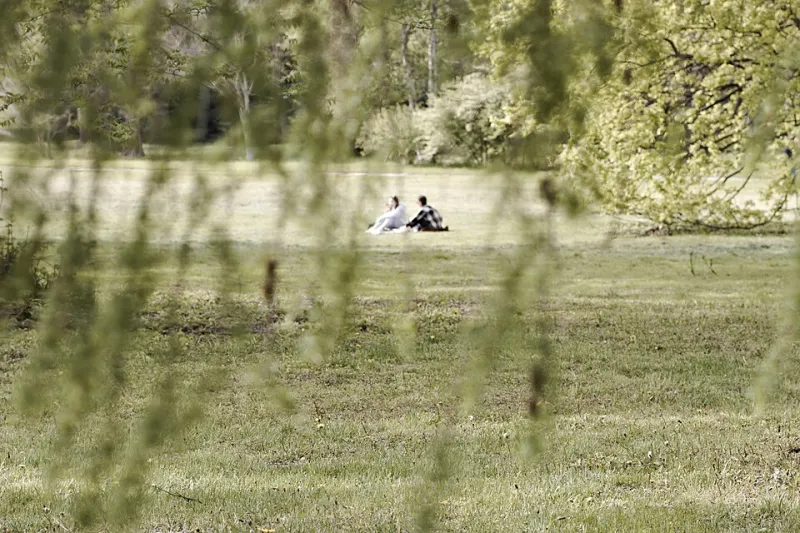
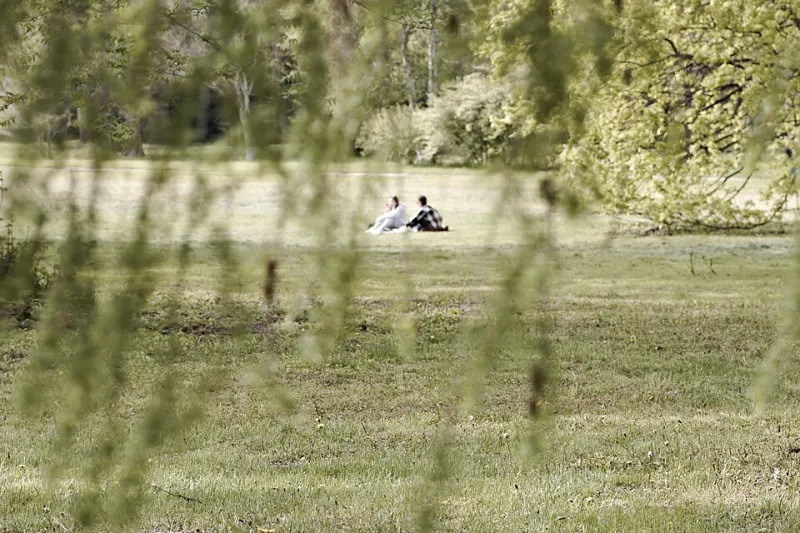
Photo: Iurie Nistor, CC0, via Wikimedia Commons
We've all been there. A conversation hits a lull, and suddenly every nerve in your body fires at once. Fill it. Say something. Anything. Crack a joke, comment on the weather, mention that you saw a weird bird on the way over — whatever it takes to plug the gap before it swallows you whole.
But here's the thing nobody tells you: that desperate scramble to fill the silence? It might be costing you the very connections you're chasing.
The Noise We Mistake for Chemistry
American social culture has a complicated relationship with quiet. From first dates in Brooklyn wine bars to networking mixers in Austin co-working spaces, we've been trained to equate conversation flow with compatibility. If you're talking, things are going well. If you're not, something's wrong.
But that logic is backwards.
Constant chatter is often performance, not presence. When we compulsively fill every gap in conversation, we're not connecting — we're managing anxiety. We're running a background program that's less about the other person and more about how we're coming across. That's not a vibe. That's a audition.
Real connection, the kind that actually sticks, tends to show up in the moments between words.
What Psychology Actually Says About Silence
Researchers who study interpersonal communication have long recognized that silence between people carries its own language. The discomfort most of us feel in conversational pauses — sometimes called "silence anxiety" — is deeply social in origin. We've learned to read gaps as rejection, disinterest, or failure.
But comfortable silence tells a completely different story. When two people can share a quiet moment without either one reaching for their phone or launching into nervous small talk, it signals something significant: safety. Trust. The absence of a need to perform.
Psychologists who study attachment and social bonding point out that the ability to tolerate silence with another person is actually a marker of emotional maturity. It suggests you're not dependent on external validation to feel okay in someone else's company. And that? That's magnetic.
Why Quiet People Pull You In
Think about the people in your life who you'd describe as genuinely grounded. Chances are, they're not the ones dominating every conversation. They're the ones who listen fully, respond thoughtfully, and don't seem rattled when the room goes quiet for a second.
There's a reason those people feel different to be around. When someone isn't frantically filling space, you automatically pay more attention to what they do say. Their words carry weight. Their pauses feel intentional. You find yourself leaning in rather than tuning out.
In dating especially, this plays out in fascinating ways. Someone who can sit across from you at dinner, let a moment breathe, and not immediately panic about it sends a quiet signal: I'm comfortable enough with myself to be comfortable with you. That's not aloofness. That's confidence — and it lands very differently than someone who's clearly working overtime to impress you.
The Awkward Pause Isn't Actually Awkward (For Them)
Here's a reframe worth sitting with: the pause only feels awkward to the person who's uncomfortable with it.
If you're the one who can let a silence exist without flinching, you're not experiencing awkwardness — you're experiencing calm. The other person might be squirming, but you're steady. And that steadiness is contagious. Over time, the people around you start to relax into it too. You essentially give them permission to stop performing.
That's a rare gift in social settings. Most of us are so busy managing how we seem that we never actually show up. When someone in the room isn't playing that game, it creates a kind of gravitational pull. People want to be near whoever isn't trying so hard.
How to Actually Get Better at This
Let's be honest — if you've spent your whole life treating silence like a social emergency, you're not going to rewire that overnight. But you can start small.
Resist the first instinct. When a pause hits, notice the urge to fill it before you act on it. Just notice. You don't have to say anything yet. Count to three internally. See what happens.
Get curious instead of anxious. Instead of thinking "this is awkward," try shifting to "I wonder what they're thinking right now." It moves your brain out of self-monitoring mode and into genuine interest in the other person.
Practice in low-stakes situations. Sit quietly with a friend you already trust. Let a moment go unspoken on purpose. Notice that nothing bad happens. You're building tolerance the same way you'd build any other muscle — gradually, repeatedly.
Put the phone down. This one's obvious but worth saying. Reaching for your phone the second conversation slows is just silence anxiety with a screen attached. It keeps you from ever building the comfort you're looking for.
What It Means for How You Find Your People
On a platform like Clibme, where you're actively looking to connect — whether that's romantically, socially, or just finding your community — the ability to be present in quiet moments is one of the most undervalued things you can bring to the table.
The people who will actually matter to you long-term aren't going to be impressed by how smoothly you can carry a conversation. They're going to remember how they felt around you. Whether you made them feel seen. Whether they could exhale.
And you can't create that feeling with words alone. Sometimes the most powerful thing you can offer someone is the space to just exist alongside you, without the pressure to perform.
The awkward pause isn't a gap in connection. For the right people, it's where connection actually lives.
The Bottom Line
We've built a culture that treats silence like a bug in the system — something to be patched, covered, or avoided at all costs. But the people who've figured out how to sit comfortably in quiet moments aren't missing something. They're carrying something most of us haven't learned yet.
So next time a conversation dips and every instinct tells you to scramble — don't. Let it breathe. See who's still there when the noise fades out.
That's where the real ones show up.